International Project Awareness Initiatives by ARDEK
The first meeting with the “International Project Team,” organized by the Mersin University Research Dean’s Office (ARDEK), took place on November 5, 2026. During the meeting, faculty members were provided with detailed information regarding Horizon Europe and other international project applications.
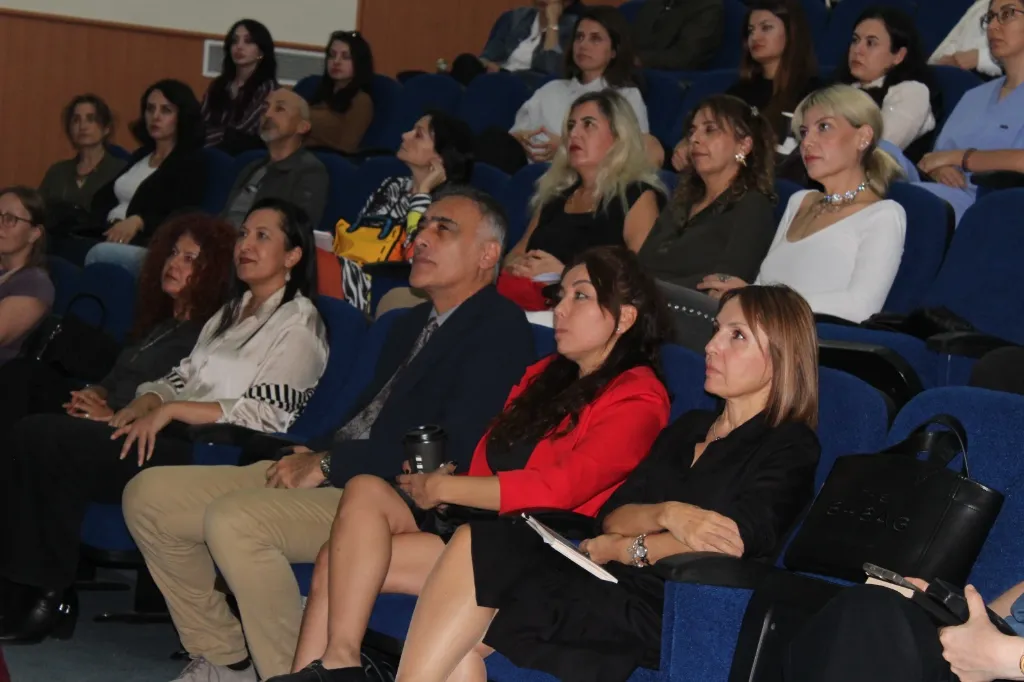
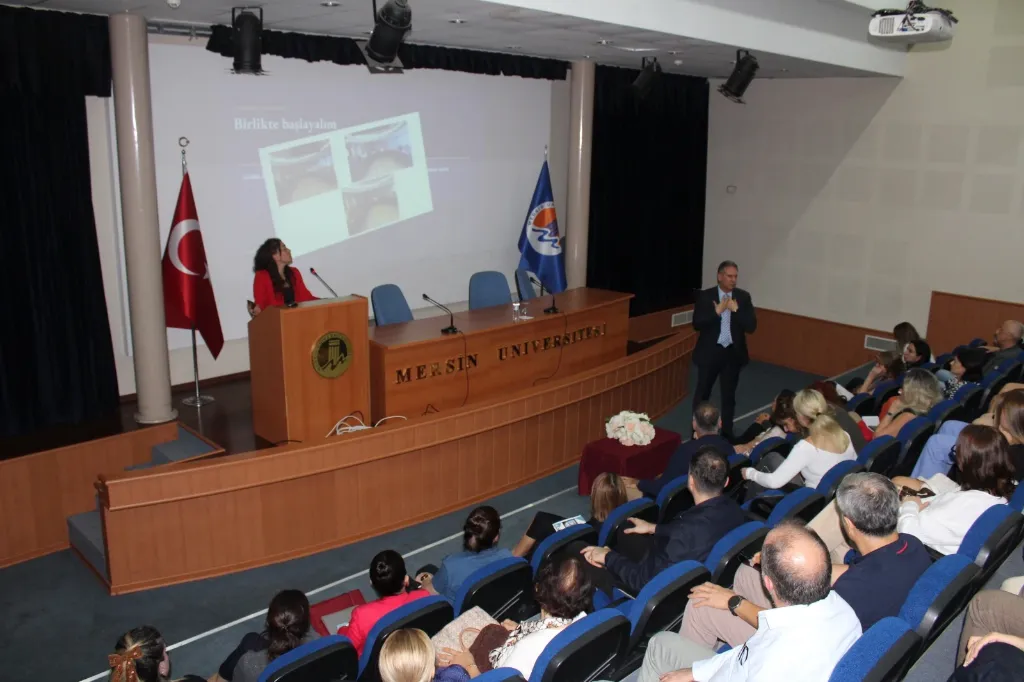
The meeting was held at the Prof. Dr. Uğur Oral Culture Center, with the participation of the Dean of the Faculty of Medicine, Prof. Dr. Murat Ünal; the Mersin University (MEÜ) Research Dean, Prof. Dr. Caner Özdemir; Deputy Research Deans Prof. Dr. Yasemin Yuyucu Karabulut and Prof. Dr. Seyhan Şahan Fırat; the Academic Unit Head of the MEÜ Technology Transfer Office (TTO), Prof. Dr. Rükan Genç Altürk; TTO Coordinator Abdi Kurt; and faculty members from various departments, including the Faculties of Economics and Administrative Sciences, Medicine, Pharmacy, Education, Communication, Science, and Letters.
“Expand Your Professional Network Through Projects”
MEÜ Research Dean Prof. Dr. Caner Özdemir stated that their goal is to raise awareness across the university regarding European Union and Horizon projects. Noting that academic career evaluations take into account publications, projects, citations, and patents, Prof. Dr. Özdemir remarked, “Projects are the most significant of these. When you undertake a project, the other criteria are naturally met. I encourage you to expand your professional network.”
Highlighting the extensive opportunities available within European Union projects, Prof. Dr. Özdemir pointed out that a large portion of these projects focus on the field of health, while also noting that calls for projects related to climate change, water, the environment, and artificial intelligence have been announced. Özdemir stated: “You have a project idea. With this idea, you could participate in international projects, or it could evolve into a TÜBİTAK project. The key is to implement a specific strategy for these projects. Let us direct our energy toward projects that we have a good chance of securing.”
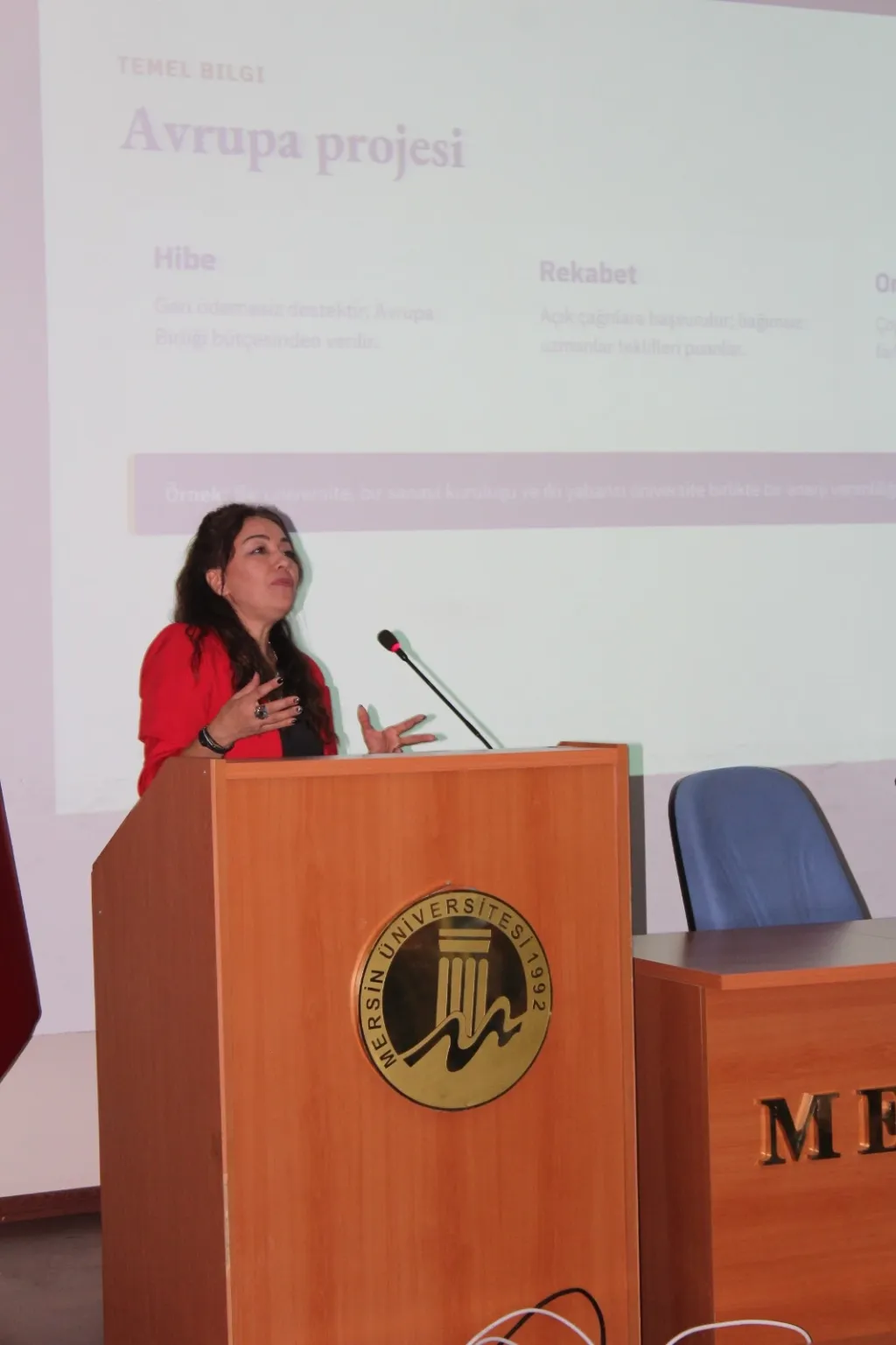
Prof. Dr. Yasemin Yuyucu Karabulut, Vice Dean for Research—who noted that the aim is to raise awareness about EU projects within the university—delivered a presentation covering topics such as “What is an EU Project? Why is it Important?”, “Funding Programs,” “Research and Working Groups,” and “Support and Next Steps.”
Highlighting the significance of competition, grants, and partnerships in EU projects, Prof. Dr. Yuyucu Karabulut emphasized that a partnership must involve at least three different countries. Explaining key concepts frequently encountered throughout the process, she defined the terms as follows: “Call: An announcement requesting projects on a specific topic, with a set application deadline. Work Programme: A two-year plan outlining which calls will be opened. Coordinator: The organization that manages the consortium and handles correspondence with the Commission. PIC: A 9-digit registration number assigned to an institution within the application portal. Grant Agreement: The contract signed for a proposal that has been accepted.”
Stating that European projects provide more than just funding—offering networking opportunities, visibility, and capacity building—Prof. Dr. Yuyucu Karabulut stressed that institutions aspiring to become research universities must ensure their own visibility. Yasemin Yuyucu Karabulut stated, “Horizon Europe has three evaluation criteria. Excellence: the clarity of objectives, innovation, and the robustness of the methodology. Impact: expected outcomes, dissemination, and societal and economic contributions. Implementation: the work plan, team structure, and risk management approach. Our goal is to raise awareness about international projects within our university. You can obtain information regarding call announcements, partner searches, proposal writing, and budget support from ARDEK and the TTO. You can access 80–90% of the calls on the ARDEK webpage and increase your visibility by registering on the ‘EU Funding & Tenders Portal’.”
Full Support for International Projects from the TTO
Prof. Dr. Rükan Genç Altürk, the Academic Unit Coordinator at the TTO, noted that developing international projects is one of the TTO’s core modules. Explaining that they provide support for project proposals submitted by faculty members as well as for the process of finding partners, Prof. Dr. Genç Altürk said, “We feature successful projects in our e-newsletter, which is published every three months. Our doors are open to anyone seeking information or support regarding projects.”
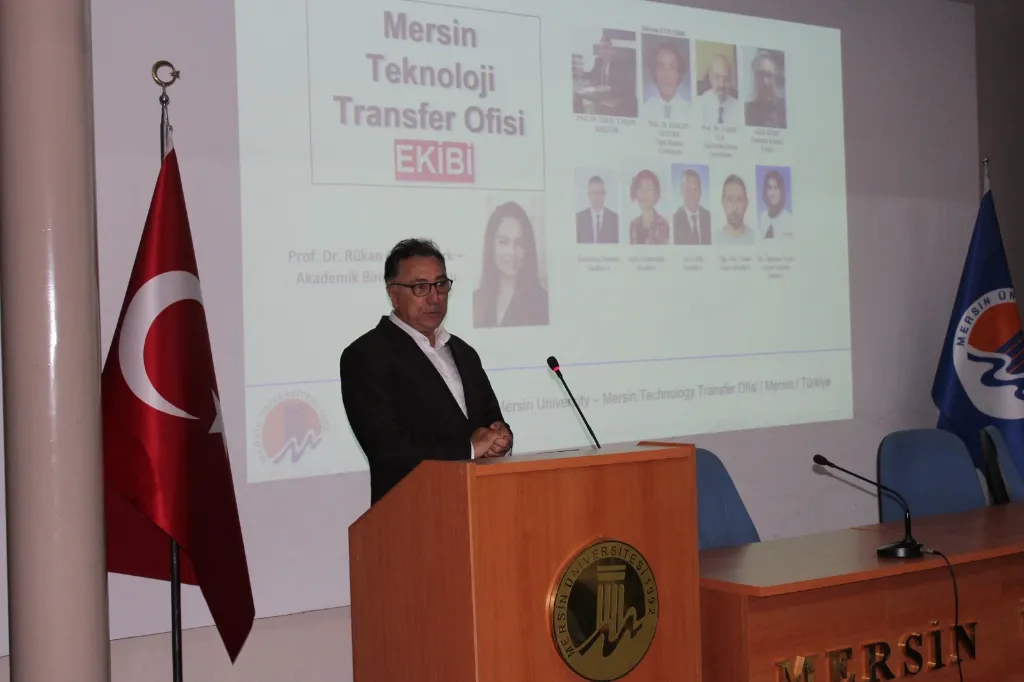
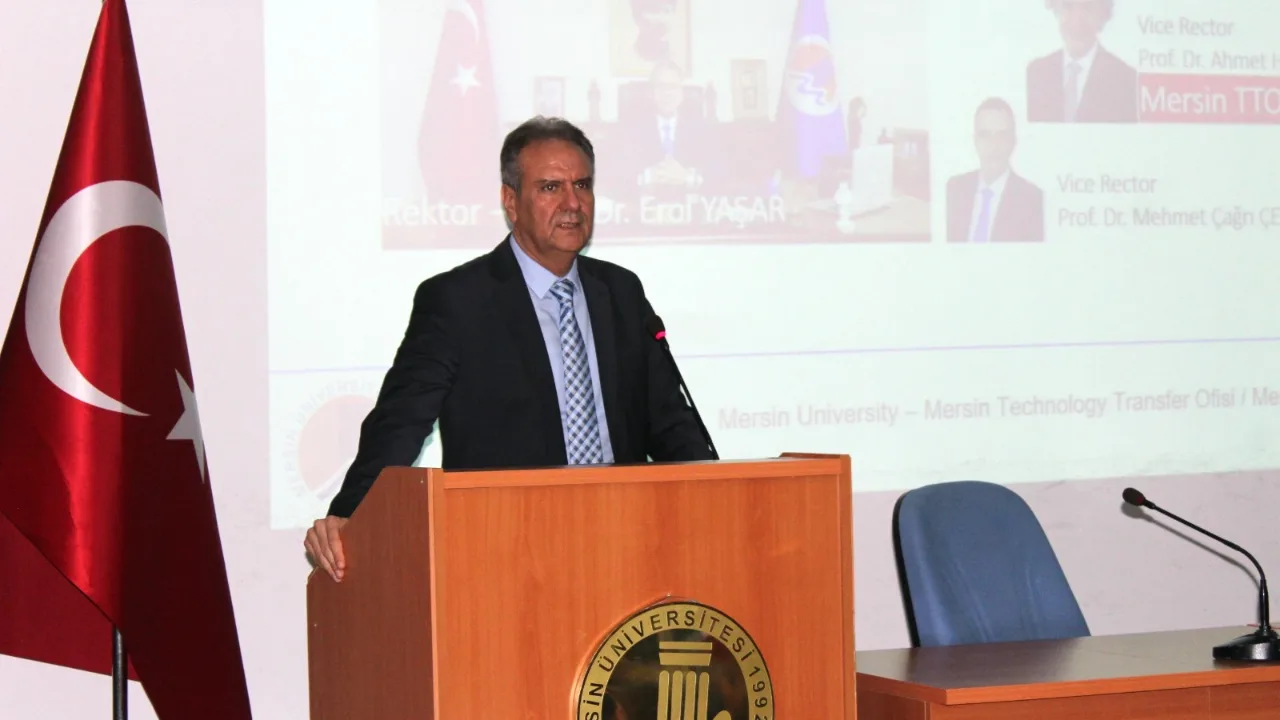
Delivering a presentation as part of the “Internationalization” program conducted by ARDEK, Mersin TTO Coordinator Abdi Kurt discussed the university’s efforts in international research and innovation projects, as well as the TTO’s role in this process.
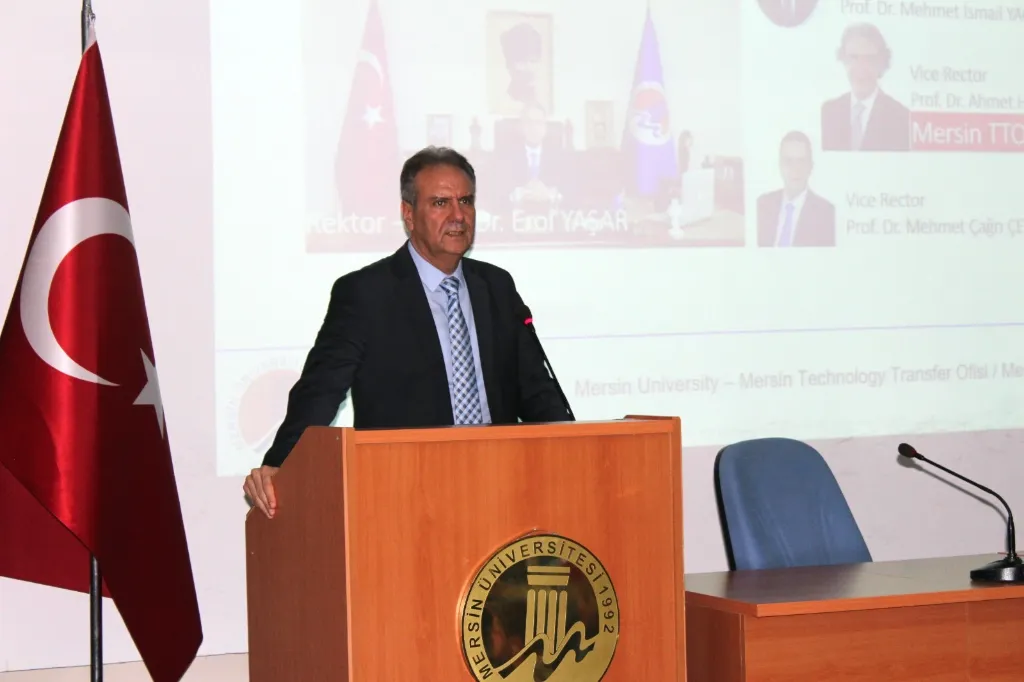
Touching upon the institutional structure of the Mersin TTO, Kurt noted that—with the support of the senior administration, led by Mersin University (MEÜ) Rector Prof. Dr. Erol Yaşar, and the Vice-Rector responsible for the TTO, Prof. Dr. ... Ahmet Hakan Öztürk stated that they work in coordination with the Head of Academic Units, Prof. Dr. Rükan Genç Altürk. Introducing the Advisory Board—which includes international experts from Germany and Finland, as well as representatives from Mersin Technopark, the Mersin Chamber of Commerce and Industry, the Mersin Chamber of Shipping, the Mersin-Tarsus Organized Industrial Zone, and the Mezitli Municipality—Kurt emphasized that this structure lays a solid foundation for international projects by employing the "quadruple helix" model, which brings together academia, industry, the public sector, and society.
Successful Projects and Future Calls
Kurt stated that applications for programs such as Horizon Europe, EUREKA, and COST are prepared systematically through established working groups (WGs). He explained that ideas are first developed into draft concept notes, which are then shared with partners before moving on to the full application stage.
Noting that the topics currently under development include the strengthening of technology transfer offices, personalized medicine, civil security, Excellence Hubs, the EIT deep-tech call, the TÜBİTAK-DAAD Turkey-Germany cooperation, and Water4All water projects, Kurt mentioned a EUREKA project prepared with German partners—such as the Fraunhofer Society and the University of Stuttgart—as well as six projects submitted to the Interreg NEXT MED 2025 call; the university serves as the lead applicant for two of these and as a partner for the other three.
Furthermore, Kurt provided detailed information on the RISE4HE project—part of the Horizon Europe WIDERA program, coordinated by Mersin University (MEÜ) in partnership with institutions from Albania, Greece, Finland, Belgium, Spain, and Ukraine, which received a perfect score of 10 out of 10 during evaluation—as well as the STEM4INNO project, which is being carried out under the EIT Initiative for Higher Education Institutions.
Photo Gallery