Our University Hospital’s Microbiological Diagnostics Infrastructure Has Been Enhanced with a MALDI-TOF MS System
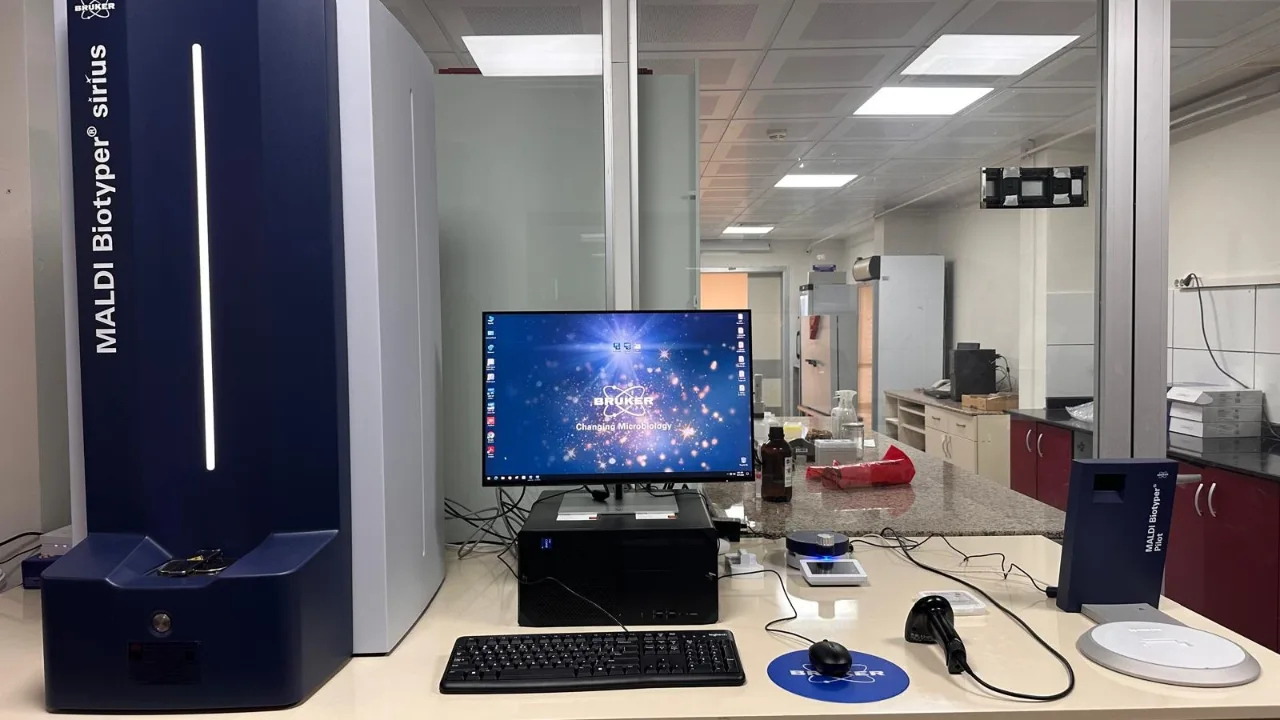
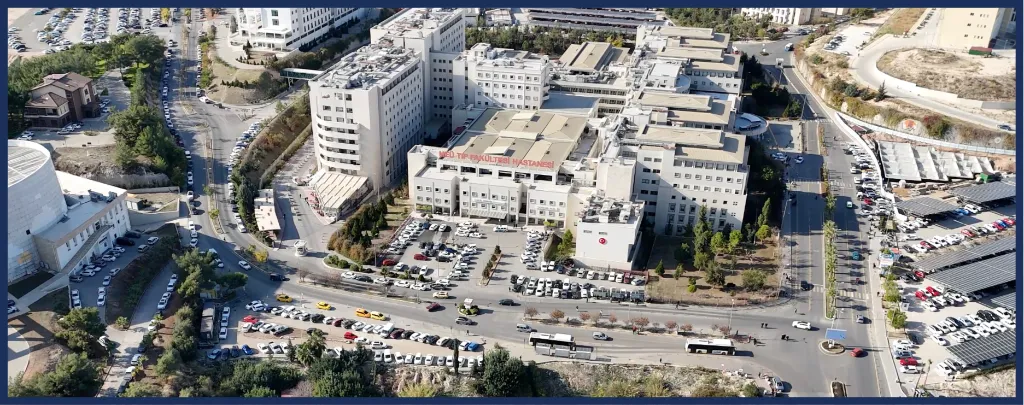
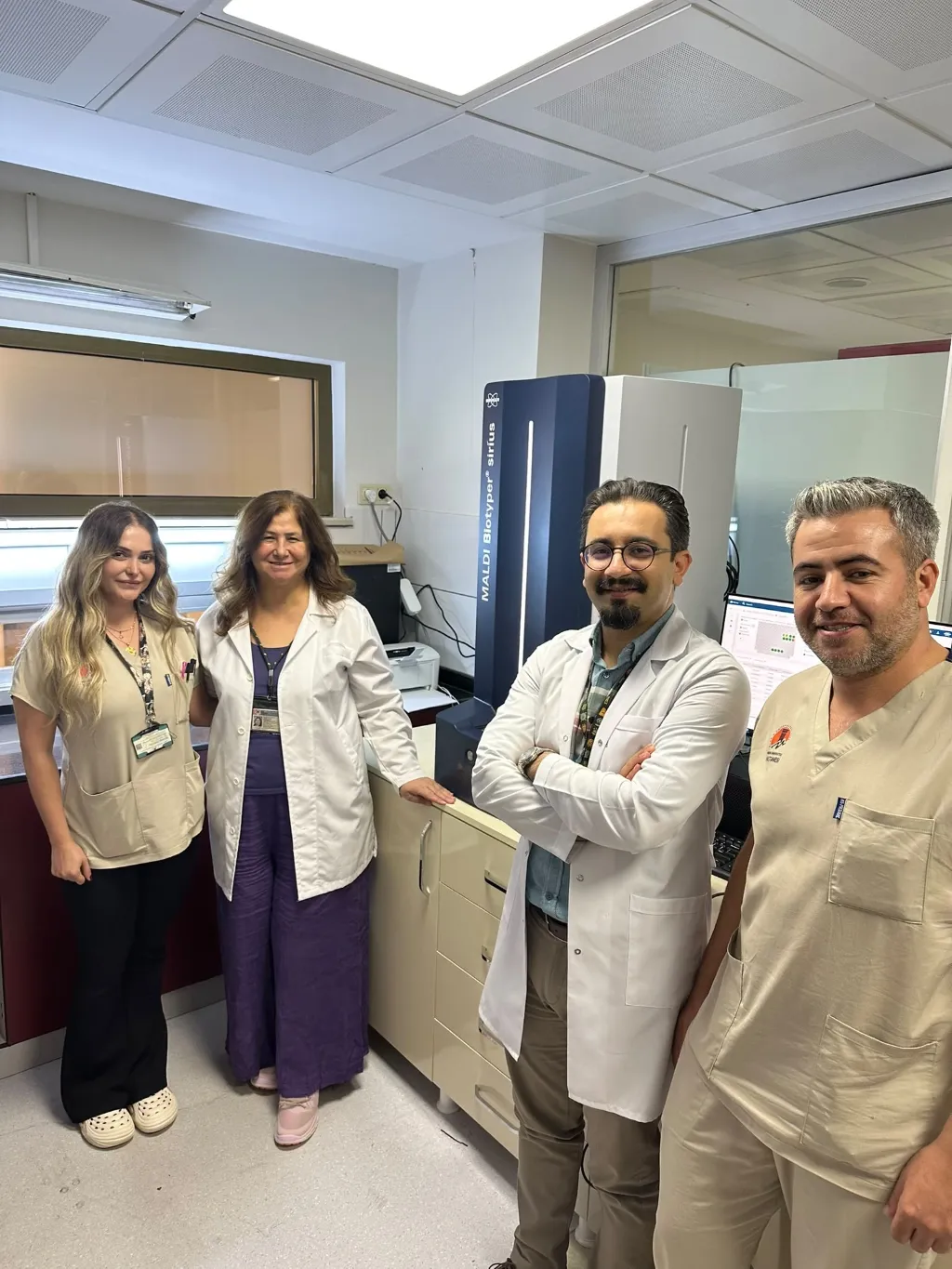
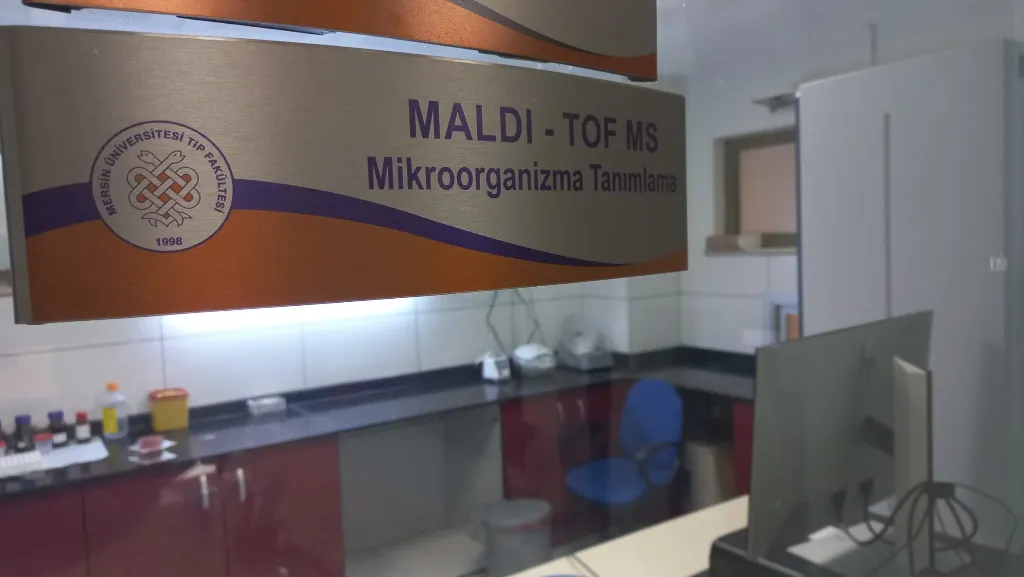
As part of a funded project supported by our University’s Scientific Research Projects (BAP) Coordination Unit, a MALDI-TOF MS (Matrix-Assisted Laser Desorption/Ionization-Time of Flight Mass Spectrometry) Microorganism Identification System was acquired for the Medical Microbiology Laboratory at our University Hospital.
Led by Prof. Dr. Gönül Aslan, Prof. Dr. Nuran Delialioğlu, and Assoc. Prof. Dr. Taylan Bozok, the project has strengthened our hospital’s microbiological diagnostic infrastructure with state-of-the-art technology.
Diagnostic Times Reduced from Hours to Minutes
The MALDI-TOF MS system, one of the most significant technological advancements in clinical microbiology, enables the rapid and highly accurate identification of bacteria and fungi by analyzing the protein profiles of microorganisms. Some identification processes that could take hours or even days using traditional methods can now be completed in a matter of minutes thanks to this technology.
With the system now available for use in the laboratory, the goal is to rapidly and reliably identify the causative agents of infections, particularly those associated with bloodstream infections, intensive care unit infections, and infections in immunocompromised patients. Furthermore, the laboratory’s diagnostic capacity will be significantly enhanced in the analysis of microorganisms that require specialized identification methods, such as mycobacteria, molds, and Nocardia species. Rapid and accurate microbiological diagnosis will make major contributions to the timely administration of appropriate antimicrobial therapy, the reduction of unnecessary antibiotic use, and the fight against antimicrobial resistance.
“We Aim to Provide the Highest-Quality Healthcare Services to the Regional Community”
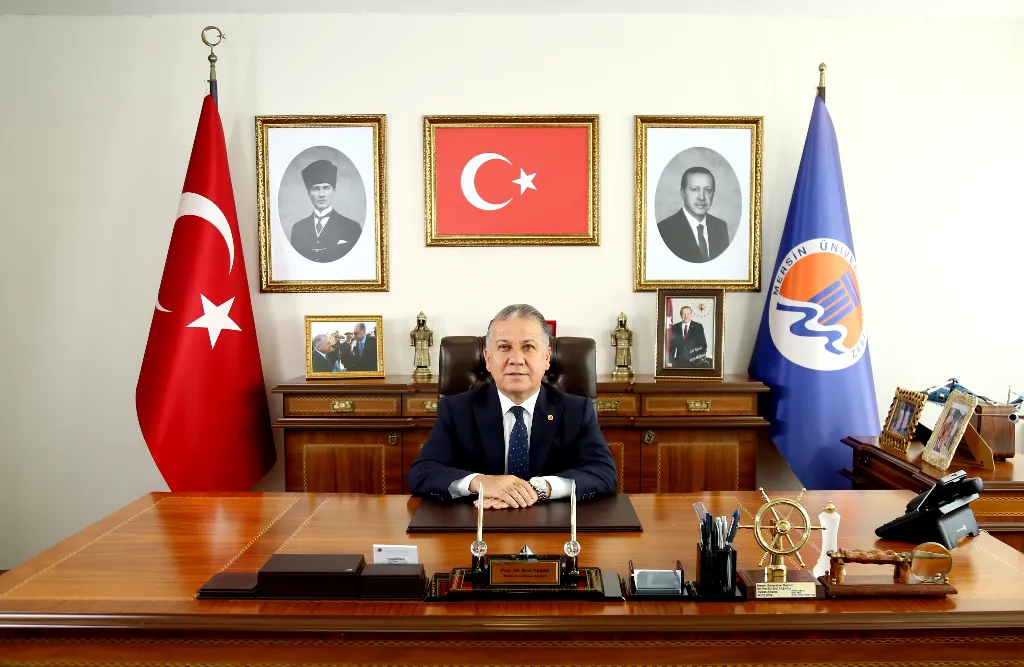
Commenting on the implementation of the new system at our hospital, our Rector, Prof. Dr. Erol Yaşar, noted that our University Hospital continues to provide reference-level healthcare services to the region by continuously upgrading its technological infrastructure. Our Rector, Prof. Dr. Yaşar, said, “Our university operates with a vision that directly transforms its scientific research capabilities into benefits for human health and society. The MALDI-TOF MS system we have acquired for our Medical Microbiology Laboratory, with the support of our Research Projects Coordination Unit, will enable our patients to receive the correct treatment much more quickly. This investment not only enhances the quality of our healthcare services but also provides significant momentum to the scientific work of our faculty members and medical residents. I would like to thank our esteemed faculty members who successfully carried out this project, and I hope this advanced technology will be of great benefit to our University, our Hospital, and all our patients.”
Strong Support for Education and Scientific Research
The acquisition of the MALDI-TOF MS system for our Hospital represents a significant achievement—not only in terms of improving routine diagnostic services but also in supporting scientific research, strengthening residency and graduate education programs, and promoting the widespread adoption of advanced microbiological diagnostic technologies at our University.
Faculty members of the Department of Medical Microbiology at the Faculty of Medicine expressed their gratitude to our Rector, Prof. Dr. Erol Yaşar, for his support in bringing this important technological infrastructure to our hospital and for his contributions to scientific research.
Press and Public Relations Department
Photo Gallery