The Patent Journey for New Inventions Has Begun at Our University
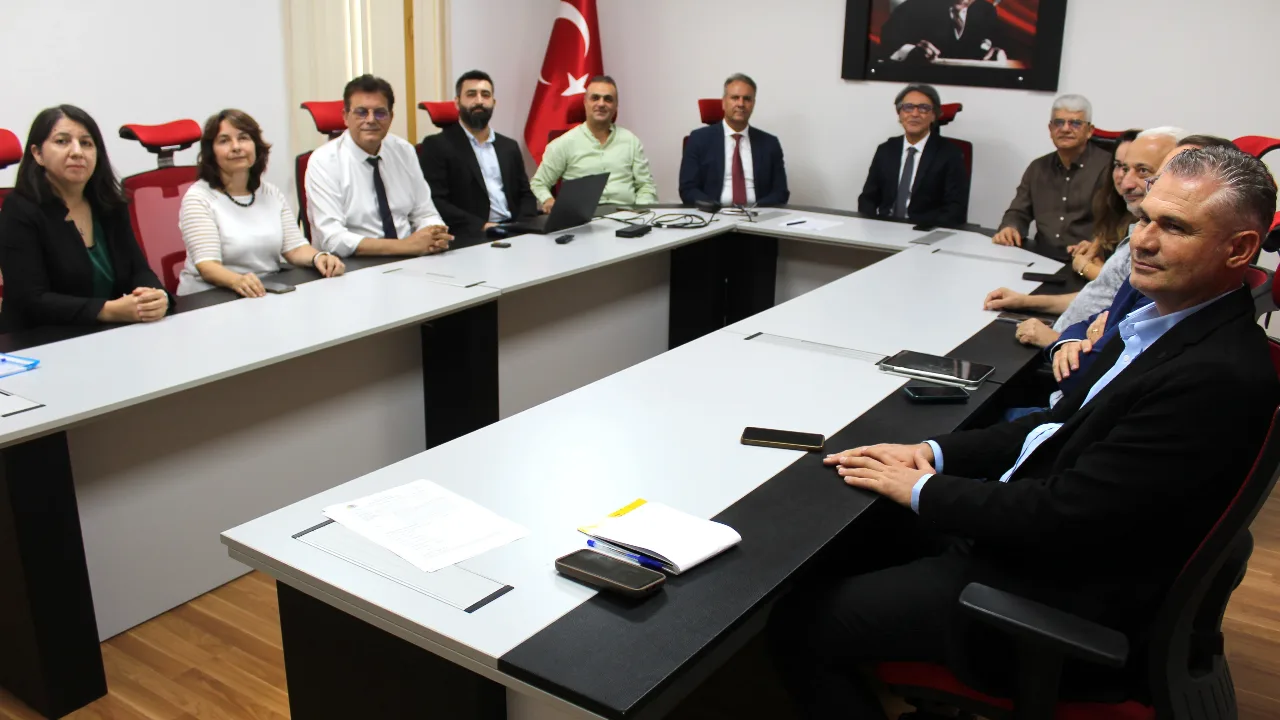
Our university’s Intellectual Property Rights Committee convened to evaluate the official patent application processes for three significant innovative projects developed by researchers at the university.
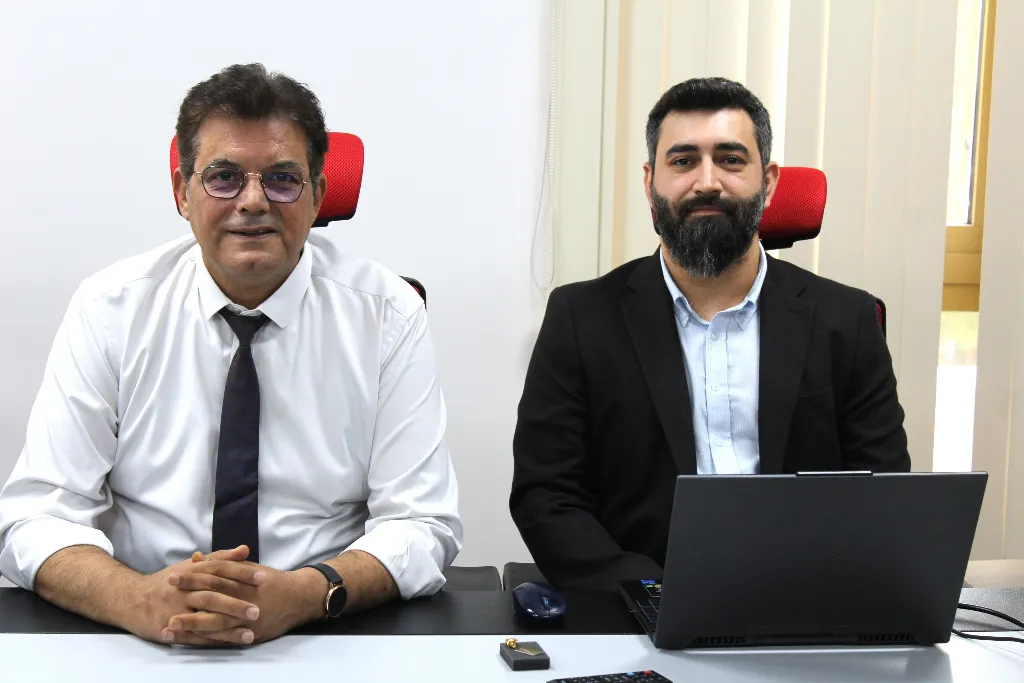
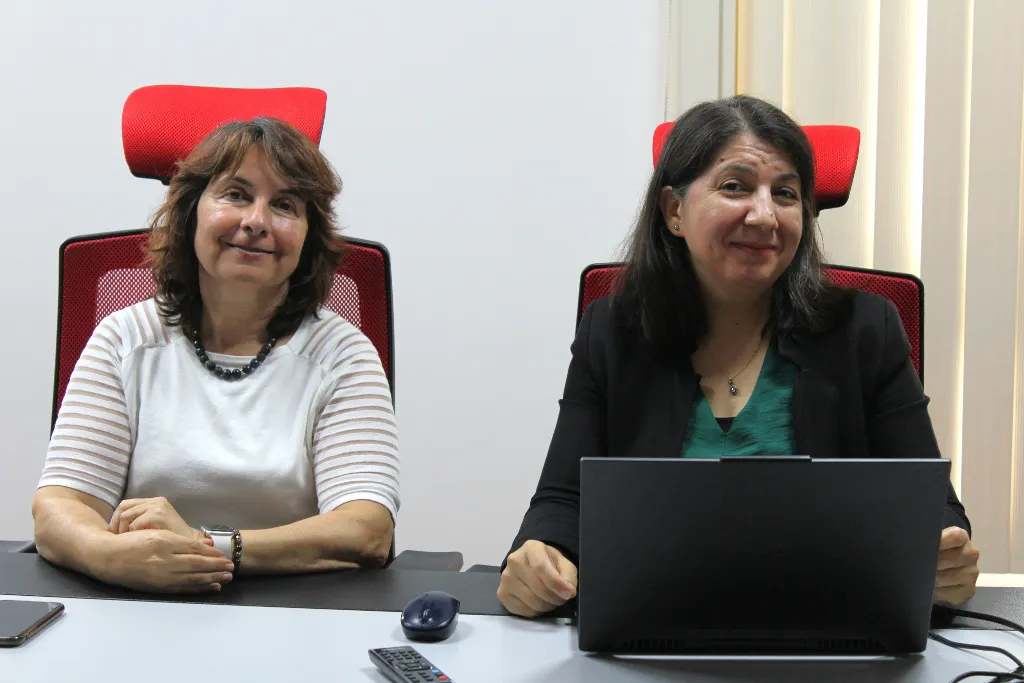
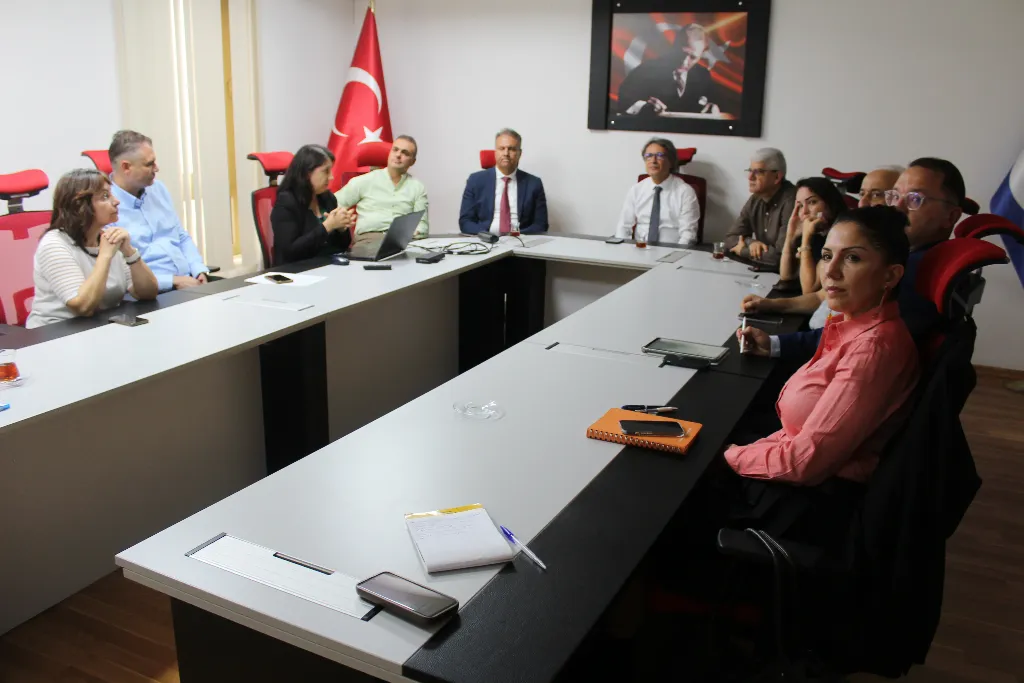
Our university’s Intellectual Property Rights Committee met on Wednesday, October 14, under the chairmanship of our Vice Rector, Prof. Dr. Ahmet Hakan Öztürk, and with coordination from the Technology Transfer Office (TTO). During the meeting, held in the conference room of the Prof. Dr. Aziz Sancar Advanced Technology Education, Research, and Application Center, the official application processes to be submitted to the Turkish Patent and Trademark Office for three separate inventions developed by researchers were discussed.
In addition to the Committee Chair, our Vice Rector Prof. Dr. Ahmet Hakan Öztürk, the meeting was attended by Prof. Dr. Caner Özdemir, Prof. Dr. Rükan Genç Altürk, Prof. Dr. Seyhan Şahan Fırat, Prof. Dr. Suphan Karaytuğ, Prof. Dr. Nadir Dizge, Assoc. Prof. Dr. Tuncay Turan Turaboğlu, Assoc. Prof. Dr. Onur Uca, and Ramazan Duman, the Intellectual and Industrial Property Rights Officer.
Wearable Antenna for Health and Sports Technologies
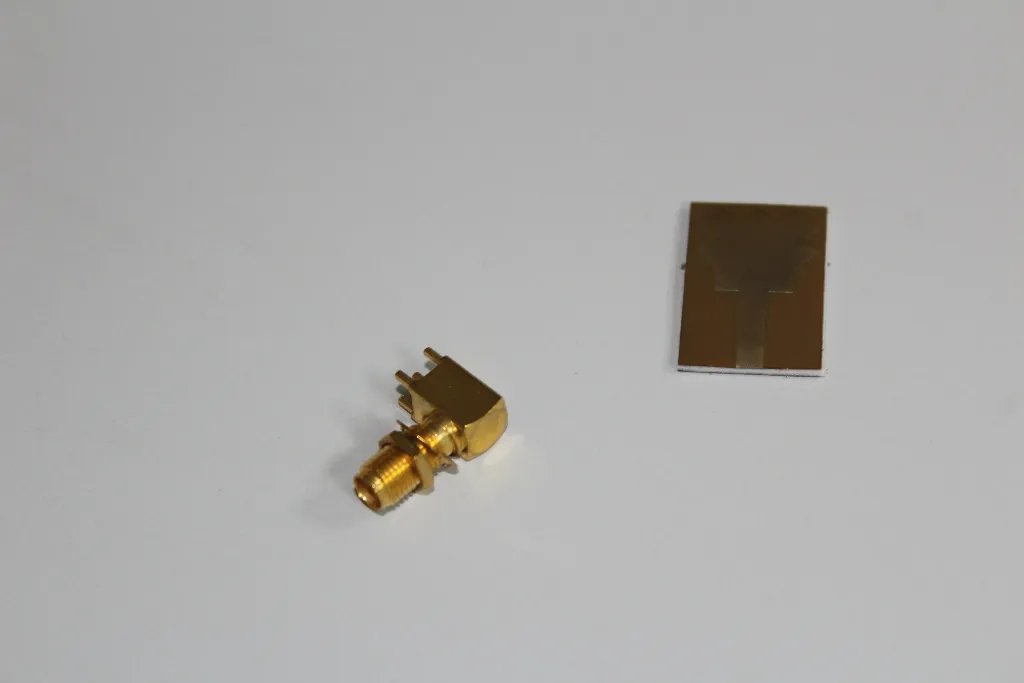
The meeting began with a presentation on the invention titled “Ultra-Wideband Wearable Microstrip Antenna for Wireless Body Area Networks,” developed by Prof. Dr. Ali Akdağlı, a faculty member of our Faculty of Engineering, and Lecturer Eray Mert Tekin, Assistant Director of the Vocational School of Technical Sciences.
Noting that a fundamental problem with current antenna designs is the inability to simultaneously achieve wideband performance, compactness, flexibility, and reliable communication, Lecturer Eray Mert Tekin stated that the developed antenna was designed to address these needs. It was emphasized that the wearable UWB antenna, which stands out for its compact, flexible, and lightweight design, holds the potential for safe and comfortable use in health monitoring systems—such as heart rate, body temperature, and respiration tracking—as well as in sports and activity tracking, smart textiles, and short-range wireless communication.
Environmentally Friendly and Locally Produced Biomaterials
Later in the meeting, Prof. Dr. Serap Yalın, a faculty member at our Faculty of Pharmacy, “Biomaterial Containing Urease Immobilized on Polyethyleneimine-Modified Cellulose Nanocrystals” and “Biomaterial Containing Urease Immobilized on 1,2-Bis(3-aminopropylamino) Ethane-Modified Cellulose Nanocrystals” were presented to the committee members.
These inventions involve an innovative biomaterial and method for the immobilization of the urease enzyme onto chemically modified cellulose nanocrystals. These inventions, which have a wide range of applications, offer advantages such as superior performance compared to existing techniques, industrial-scale manufacturability, environmental friendliness due to their biodegradable nature, and the potential for domestic and national production.
Press and Public Relations Department
Photo Gallery