Fikri Mülkiyet Hakları Kurulu’na İki Patent Başvurusu Yapıldı
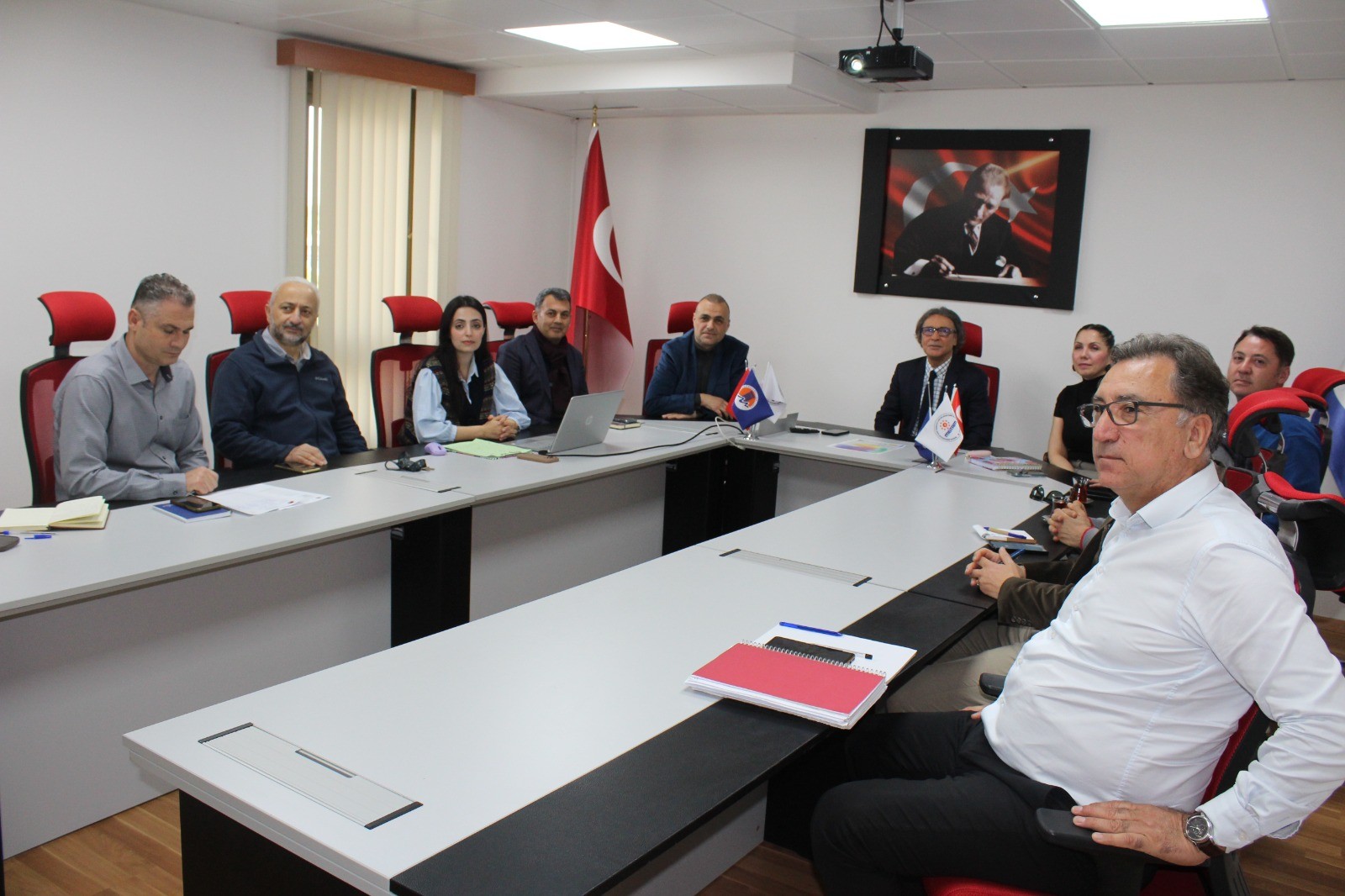
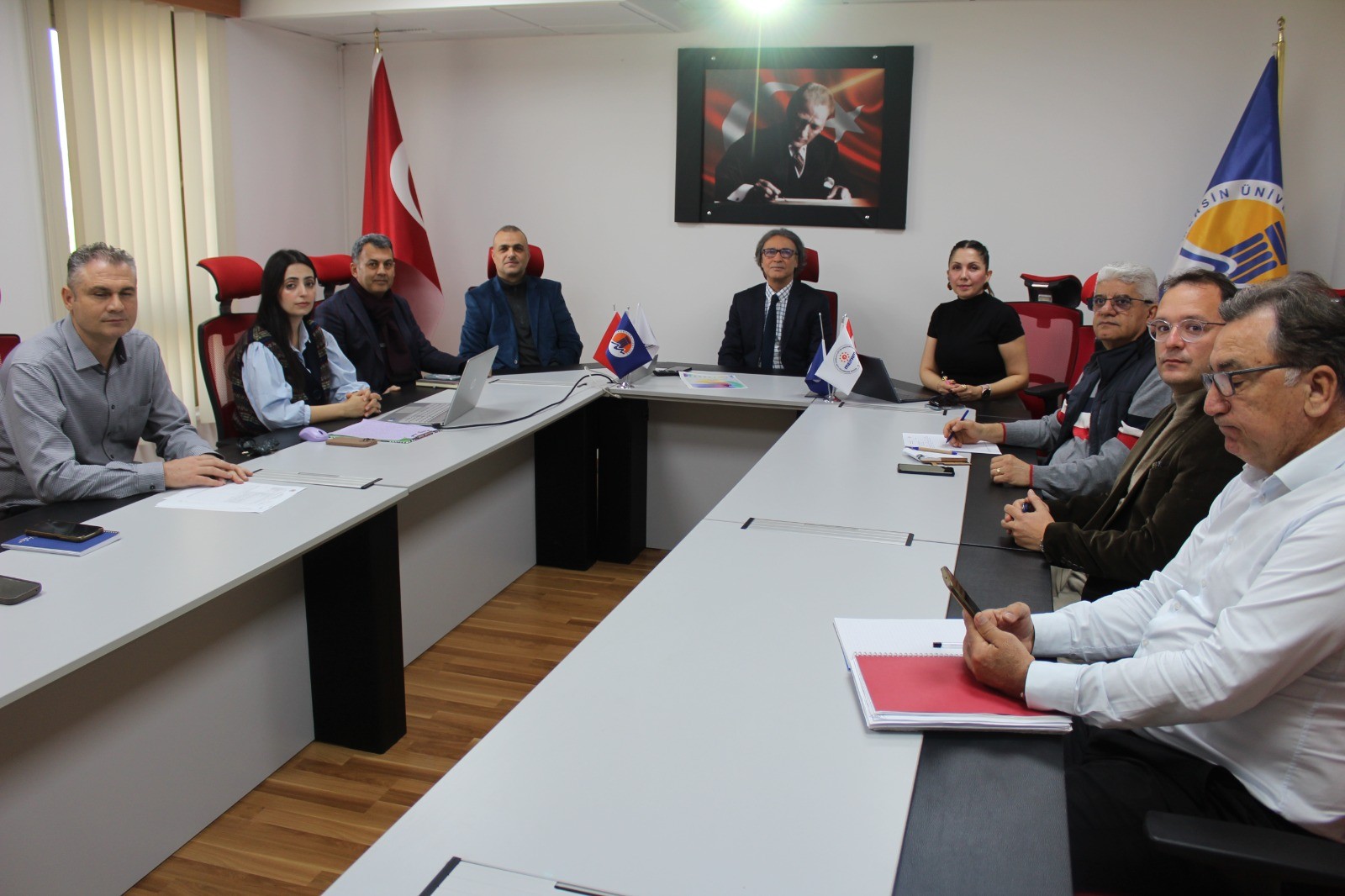
Mersin Üniversitesi (MEÜ) Teknoloji Transfer Ofisi’nin (TTO) koordinatörlüğünde, 25 Şubat 2026 tarihinde Fikri Mülkiyet Hakları Kurulu toplandı. Toplantıda, “Bakır Depozitli İletken Membran İçeren Elektrokimyasal Olarak Aktif Membran Biyoreaktör Sistemi” ile “Atık Domates Sapı Külünden Bioaktif Fosfat Cam Üretim Yöntemi” başlıklı buluşların Türk Patent ve Marka Kurumu’na başvurusu için değerlendirilmesi gerçekleştirildi.
Toplantı, Rektör Yardımcısı Prof. Dr. Ahmet Hakan Öztürk başkanlığında MEÜ İleri Teknoloji Eğitim Araştırma ve Uygulama Merkezi (MEİTAM) Toplantı Salonu’nda kurul üyeleri Prof. Dr. Seyhan Şahan Fırat, Prof. Dr. Nadir Dizge, Prof. Dr. Suphan Karaytuğ, Doç. Dr. Tuncay Turan Turaboğlu, Doç. Dr. Onur Uca, Doç. Dr. Fahri Özsungur, TTO Koordinatörü Abdi Kurt, Fikri ve Sınai Mülkiyet Hakları Sorumlusu Ramazan Duman katılımıyla yapıldı.
Mühendislik Fakültesi Çevre Mühendisliği Bölümü öğretim üyesi Prof. Dr. Nadir Dizge ve araştırmacı Dr. Zelal Işık’ın “Bakır Depozitli İletken Membran İçeren Elektrokimyasal Olarak Aktif Membran Biyoreaktör Sistemi” başlıklı atık su arıtma teknolojisinde çığır açan yenilikçi buluşu, “Kirlenme kontrolü, anti bakteriyel etki, kimyasal tasarruf ve azot giderimi” gibi avantajlar sağlıyor. Sanayiye de uygulanabilirlik özeliği olan buluş, kentsel atık su arıtma tesisleri, gıda, tekstil, metal, kimya gibi endüstriyel atık su arıtma, yeniden kullanım ve ileri arıtma sistemleri ile yüksek fouling potansiyeline sahip biyolojik arıtma üniteleri gibi alanlarda kullanılacak.
Mühendislik Fakültesi Çevre Mühendisliği Bölümü öğretim üyeleri Prof. Dr. Nadir Dizge, Doç. Dr. Hüdaverdi Arslan ve Dr. Zelal Işık’ın “Atık Domates Sapı Külünden Bioaktif Fosfat Cam Üretim Yöntemi” başlıklı buluşun tarımsal organik atıkların katma değerli biyomalzemeye dönüştürülmesi içeriğiyle; sıfır atık ve düşük karbon ayak izi hedefi olan bulunuyor. Buluş ayrıca, sürdürülebilir geri kazanım, düşük enerji tüketimi, kimyasal tasarrufu, İn-Situ Dönüşüm gibi avantajlar sağlayacak.
Toplantıda patent başvuruları ile ilgili yapılan değerlendirmenin Üniversitemiz Yönetim Kurulu’na sunulması kararlaştırıldı.